

Automating quality control through machine vision and artificial intelligence allows for the analysis of grains, seeds, and nuts in real time, eliminating the subjectivity of the manual method and improving operational traceability.
It reduces analysis times, eliminates subjectivity, and allows for real-time operational decisions.
Greater speed, repeatability of results and data traceability.
Computer vision, neural networks, and data analysis.
The solutions are designed for modern industrial environments and are integrable.
Grains, seeds and nuts.
Industrial context
In demanding agribusiness environments, product quality, operational efficiency, and the availability of real-time data directly impact yield, losses, and costs.
MachVision develops machine vision and AI technology applied to quality control, with international implementation and a focus on automated inspection processes.
Over 30 years in machine vision
Founded in 1994 by engineers specializing in systems and image processing, MachVision began its activity in visual analysis solutions when digital tools were still limited.
Technological evolution:
- Early visual analysis systems
- Automated inspection in technical industries
- Specialization in agribusiness
Currently, it designs and manufactures equipment that allows grain-by-grain analysis, transforming quality control into a process:
- Objective
- Repeatable
- Traceable
Limitations of manual control
Traditional quality control can take up to 25 minutes per sample, which restricts:
- Response speed
- Process adjustments
- Continuous monitoring capability
Automated quality control
Machine vision-based solutions enable:
- Automate quality analysis
- Get fast, consistent results
- Adjust processes in real time
- Reduce rework and waste
Applied technologies
The systems integrate:
- Computer vision
- Neural networks
- Data analysis
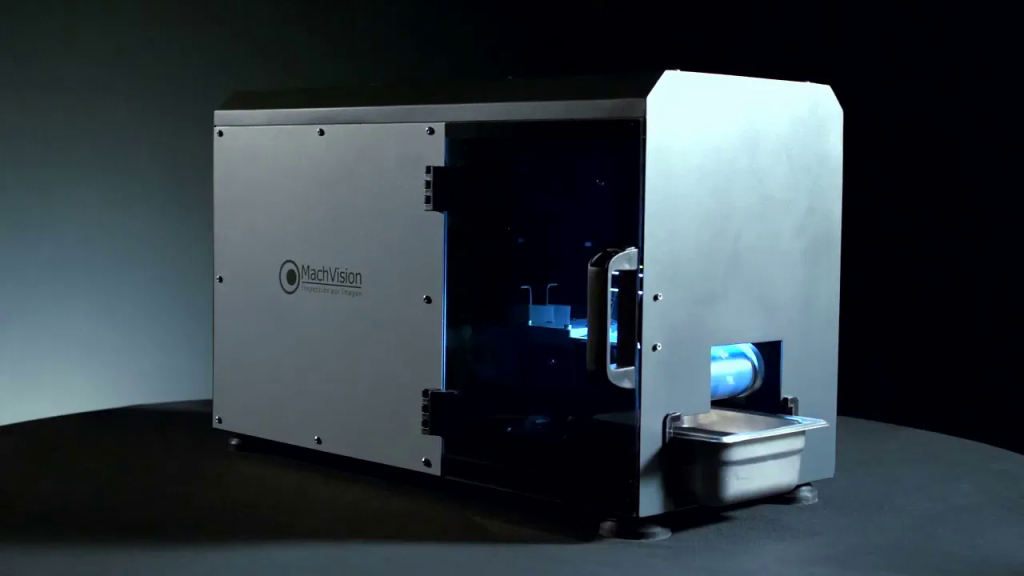
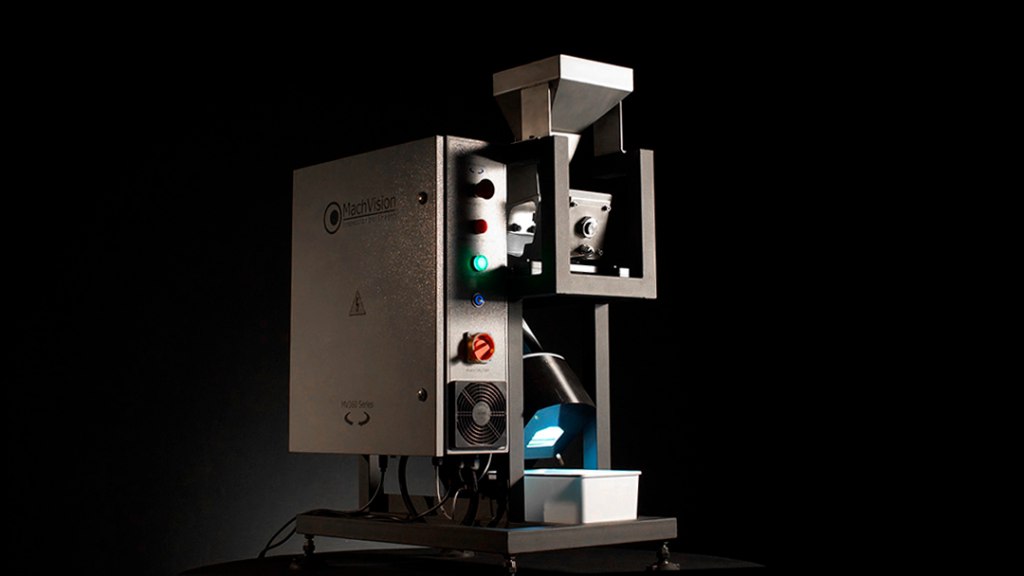
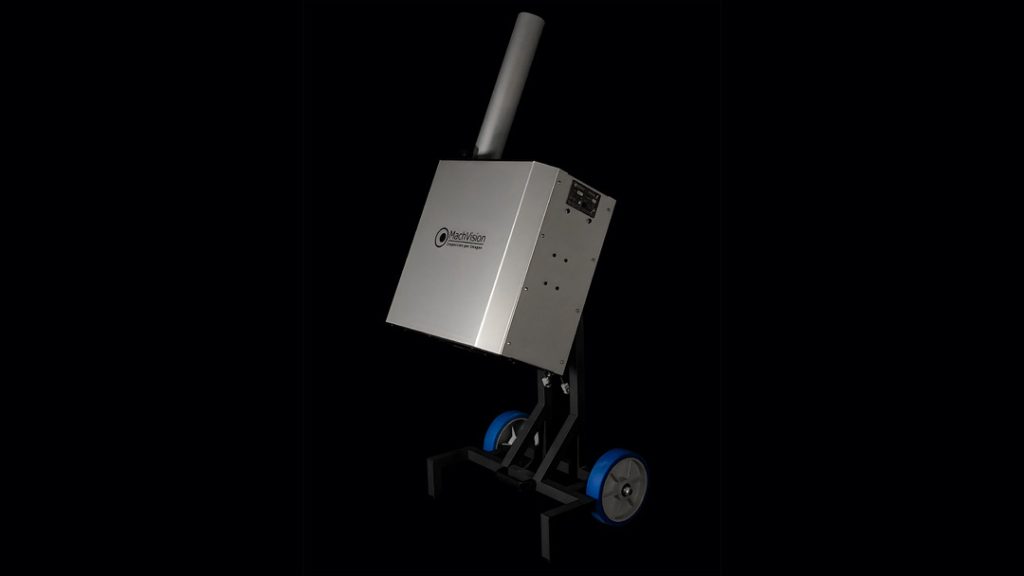
Representative teams
These systems transform quality control into an operational and management tool.
Industry 4.0 in agribusiness
The solutions align with Industry 4.0 principles:
- Integration into modern plants
- Generation of operational data
- Improved efficiency and performance
Rather than individual equipment, they are implemented as technological solutions for the digitization of quality control.